
Ventless Washer Dryer Combo: 7 Best Ways to Maximize Drying Efficiency (Proven Guide)

### Blog Post:
Ventless washer dryer combo is the most practical solution when you need reliable laundry in a small apartment, closet, or non-vented space, but the installation and performance trade-offs are rarely obvious up front. If you want to avoid humidity issues, long dry times, or surprise maintenance headaches, you need to know more than just the specs and sales claims.
Key Takeaways
- Ventless washer dryer combos save the most space, but drying full loads can take 2–3 hours and the effective dry capacity is usually less than wash capacity.
- Installation is straightforward, but closet and apartment setups require at least 3–4 inches of clearance, a plan for condensation reservoir drainage, and possibly an electrical upgrade for faster cycles.
- Maintenance is more crucial than with vented dryers—monthly cleaning of lint filters and heat exchangers prevents humidity problems and keeps cycles efficient.
- Quick Decision Guide — Which ventless option fits your situation?
- Real performance numbers you must evaluate (dry time, energy, noise)
- Capacity and cycle mismatch — the key hidden limitation of combos
- Conclusion
- FAQ
Quick Decision Guide — Which ventless option fits your situation?
When deciding if a ventless washer dryer combo or a two-unit setup is best for you, your exact living circumstances matter most. If you’re working with a true small space—like a closet, bathroom nook, or small studio—combos (one integrated unit) remain the only way to fit full laundry into a single footprint. For slightly larger spaces, a separate compact washer and a ventless heat pump dryer (like the Miele TWD360WP) deliver superior drying times and use approximately 40% less energy per cycle than traditional condenser systems.
For renters or people who don’t want to commit to plumbing or electrical upgrades, renting a ventless laundry unit can be the quickest way to get started—no drilling through walls, no landlord headaches, just a plug and a drain plan. However, the trade-off is higher ongoing monthly cost with less ability to customize capacity or power.
- Top use-cases: closet installs, apartments, small laundry rooms, or as an “add-on” when you can’t fit full-size pairs or run an exterior vent.
- Key trade-offs: Combos dry a full load in about 2–3 hours (expect 3–5 hours for bulky or large loads) and use around 1.2–1.5 kWh per cycle. Standalone heat pump dryers shave an hour off drying and cut energy use by another third, but demand more floor space.
- Noise matters: Premium combos average 48–55 dB; lower-priced models typically run 58–62 dB. Closet installs especially benefit from quieter and higher-end models.
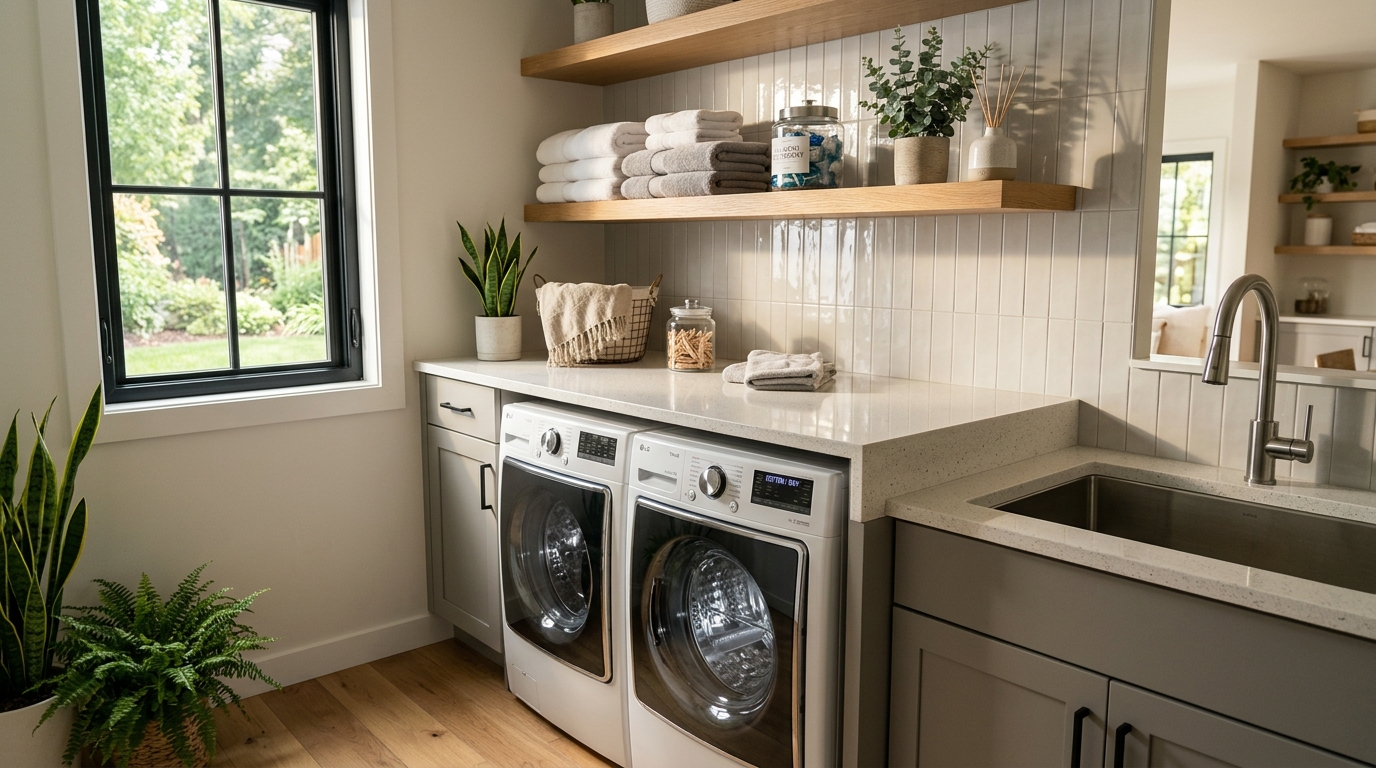
Real performance numbers you must evaluate (dry time, energy, noise)
Before you move forward, ground yourself with hard numbers, not sales hype. For 2026, the best ventless washer dryer combo options (like LG WM6998HBA and Samsung WD53DBA900HZ) wash and dry in one drum. Their real-world dry times are 2–3 hours for standard loads and 3–5 hours for comforters or heavy fabrics. Energy use averages 1.2–1.5 kWh per full cycle, which is 30–40% less than most vented sets. Heat pump dryers like the Miele TWD360WP further reduce energy use and speed up cycles to 1.5–2.5 hours, although up-front price is higher (source).
💡 Pro Tip: If you have the option, installing on a 240V circuit cuts drying times dramatically. Drying on 120V can triple total dry time. Double check what’s behind your outlet cover before purchase.
🔥 Hacks & Tricks: If you must use a combo washer dryer small space setup in a closet, set a small fan in the closet doorway during longer drying cycles to help carry away humidity and reduce mold risk—a trick many urban renters use when landlord upgrades are off-limits.
Noise is a big factor in apartment and closet installs. Newer premium models run at 48–55 dB (about the level of a normal conversation), while budget combos push 58–62 dB (think “busy office”). If you do laundry at night or your closet shares a wall with a bedroom, upgrading for noise is not a luxury—it’s daily sanity.
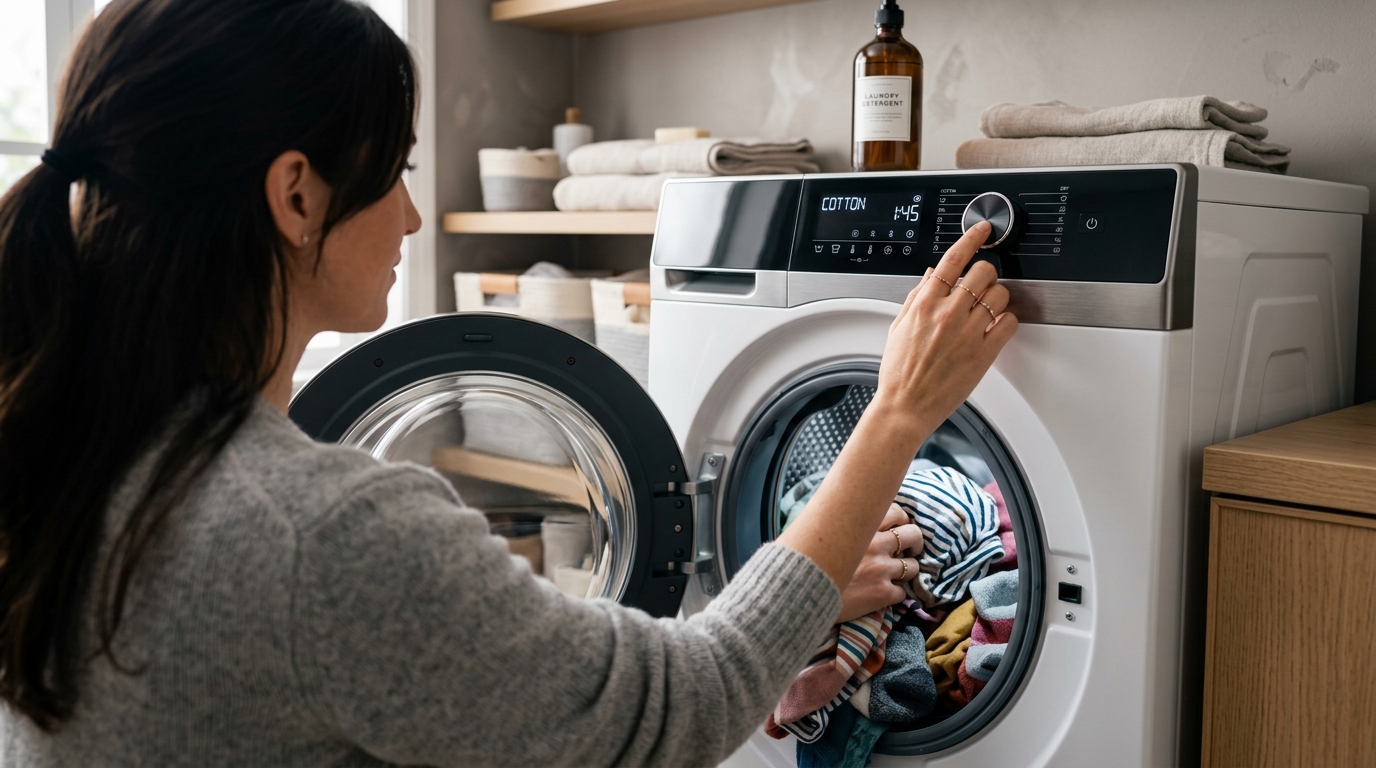
Want more tips on choosing balanced performance? See our best compact washer and dryer guide and checklist for clothes dryer energy ratings in real-world use.
Capacity and cycle mismatch — the key hidden limitation of combos
The single most overlooked “gotcha” with ventless combo units is that the wash drum capacity does NOT equal the dry capacity. Due to safe drying airflow and the way moisture condenses back to water, most combos only dry about 70–80% of their full wash load in one cycle. This means you either need to run smaller loads or pull out part of the laundry and run a second dry cycle—otherwise, expect longer drying or even damp clothes.
| Model | Washer Capacity (cu ft) | Max “One Cycle” Dry Capacity | Avg. Wash + Dry Cycle (hrs) | Energy Use per Cycle (kWh) |
|---|---|---|---|---|
| LG WM6998HBA | 5.0 | 3.5–4.0 (≈75%) | 2–3 (regular), 3–5 (bulky) | 1.2–1.5 |
| Samsung WD53DBA900HZ | 5.3 | 4.0 (≈75%) | 2–3 | 1.3–1.5 |
| Miele TWD360WP (dryer) | — | All washer output | 1.5–2.5 (dry only) | 0.8–1.0 |
To avoid the “wash more than you can dry” trap:
- Don’t fill the drum all the way—stick to 70–80% of max for drying
- Plan for more—but smaller—loads if you want clothes dry and closet-ready
- For huge bedding or family loads, standalones have the edge
Our ventless dryer for closet guide shows hacks to make the most of each cycle’s real capacity. For more model-specific data, see washer dryer combo pros and cons.
Don’t forget, you may need to factor in closet clearance, drain access, and energy cost. Here’s a quick glance at installation and maintenance trade-offs:
- Always allow 3–4 inches on each side for airflow and vibration damping
- If a drain hookup isn’t possible, be religious about emptying the condensation reservoir after every cycle
- Monthly cleaning of lint filters and condenser units is a must—especially in humid apartments
Conclusion
Choosing a ventless washer dryer combo for your apartment or small laundry space is less about advertised capacity and more about realistic install challenges, cycle length, maintenance, and ongoing service costs. If you account for reduced dry capacity (plan for 70–80% per load), ensure proper clearance, use a drain where possible, and clean filters and condensers regularly, combos like the LG WM6998HBA and Samsung WD53DBA900HZ will deliver reliable results with significant energy savings. For those who want less fuss and more space, a heat pump dryer paired with a compact washer is the pinnacle—if you can fit it. Ready to escape the laundromat lines? Start measuring your space and electrical options, and shop for the best ventless washer dryer combo that matches your real-world needs.
FAQ
How long does it actually take to dry a standard load in a ventless washer dryer combo?
Expect 2–3 hours for a standard load, longer (up to 5 hours) for bulky or thick items. Dry time varies by model, voltage, and ambient humidity.
Can I install a ventless washer dryer combo in a closet or apartment?
Yes. Ensure you have 3–4 inches of side clearance, access to a 120V or 240V outlet, and a drain or the ability to easily empty the water reservoir. Use anti-vibration pads for quieter operation.
What maintenance do ventless laundry units require?
You must clean lint filters and the heat exchanger monthly, empty (or hook to drain) the water tank frequently, and check door seals for mold or debris.
Do I risk higher humidity or mold by using a ventless dryer in a small space?
Without proper ventilation or drainage, yes. Mitigation options include draining to a sink or tub, leaving closet doors open during cycles, and adding a dehumidifier as backup.
Is renting a ventless laundry unit better than buying?
If your tenancy is short or landlord approvals are tough, rental is fastest. You’ll avoid up-front purchase and installation costs, but still need to perform basic maintenance and resolve condensation or drainage issues.
—