
Ventless Washer Dryer Combo: 7 Best Ways to Save Energy (Proven Guide)

Ventless washer dryer combo units are rapidly becoming the go-to solution for renters and small-space homeowners who want efficient, code-compliant laundry without fussing over ducts or landlord objections. But with real-world compromises in energy, time, and installation, choosing and correctly installing these units is critical to avoid cycle delays and landlord headaches.
Key Takeaways
- Ventless washer dryer combos use 30–40% less electricity than conventional electric dryers, but wash-plus-dry cycles take much longer (2–4 hours for typical loads).
- Installation in apartments often requires solutions for condensate drainage, airflow, and electrical compatibility—success depends on landlord permission and correct setup.
- Most review sites skip critical specs like precise cycle energy use, drying times by load, condensate management, and true noise levels: buyers must ask directly before purchasing.
- Quick verdict — is a ventless washer dryer combo right for your apartment?
- Energy & operating cost comparison (real-world numbers)
- Drying performance & cycle time expectations (by load type)
- Conclusion — recommended next steps (purchase & install timeline)
- FAQ
Quick verdict — is a ventless washer dryer combo right for your apartment?
The core appeal of a ventless washer dryer combo is the ability to do laundry in a compact space—sometimes a closet or kitchen nook—without exterior venting or major modifications. If you’re a renter or live in a small home with limited electrical and venting options, these combos solve the “no vent dryer apartment” problem with a single purchase.
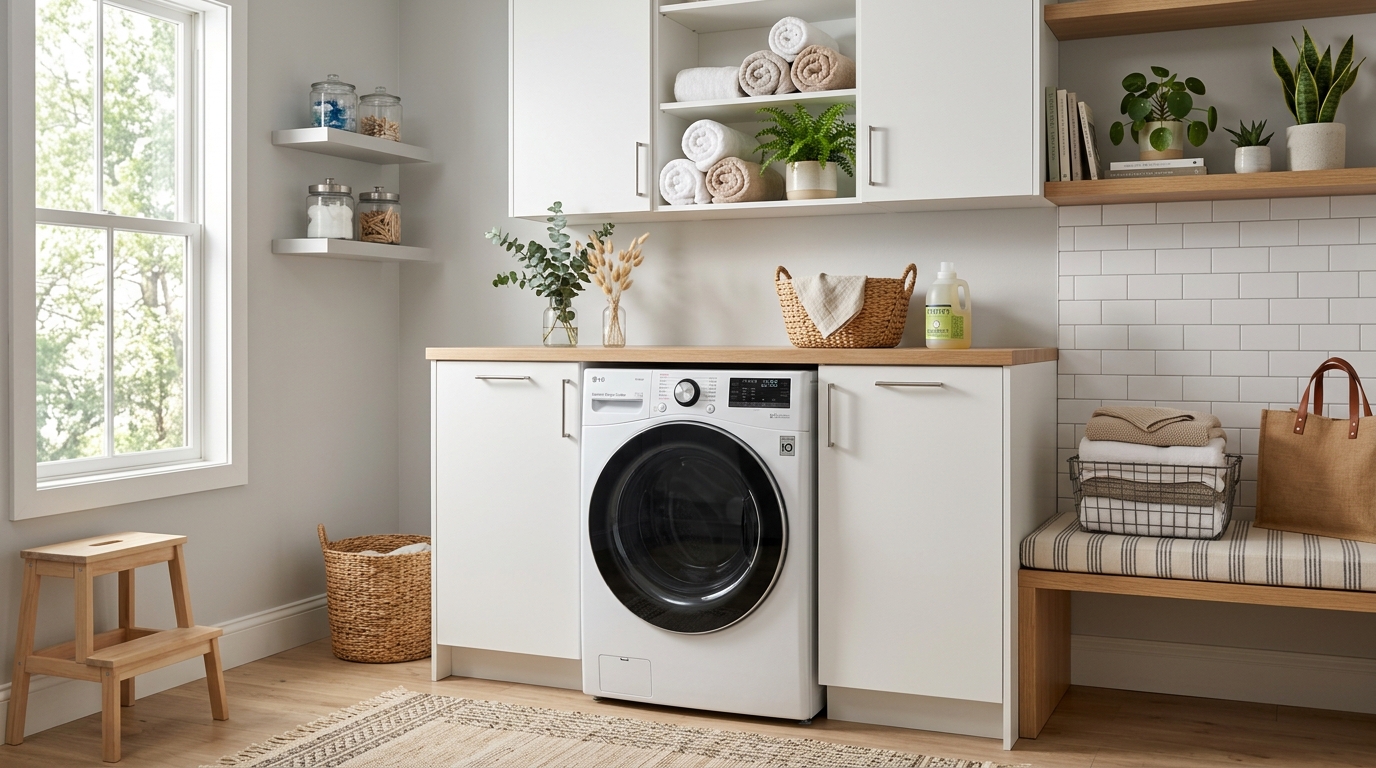
But “right” depends on these factors:
- Load size: If you mostly wash small to medium loads (up to 12 pounds), a combo rarely feels limiting. Bigger families or laundry-heavy households will notice capacity and time constraints.
- Drying time and schedule: Expect 2–4 hours for a combined wash-and-dry cycle, as all ventless combos—including the best heat pump models—take much longer than vented units (45–60 minutes). Quick cycles for small loads are available (~90 minutes), but bulky items (bedding, towels) can require up to 5 hours.
- Noise tolerance: Ventless combos, especially heat pump types, are quieter (as low as 63 dB) than most vented dryers, making them better for apartments where machines might run late or close to living/sleeping areas.
- Building, code, and landlord constraints: Since ventless combos don’t need new external ducts, getting landlord approval is usually simpler and all work is undoable. Renting? These machines are often specifically marketed as “no vent dryer apartment” solutions.
According to published reports, heat pump ventless combos consume about 30–40% less electricity than separate electric dryers (with typical figures of 136 kWh annually for the washer plus 399 kWh for the dryer portion—compared to 800–900 kWh per year for a standard vented electric dryer). This can make a substantial difference for both your wallet and environmental impact over a multi-year rental.
Use a ventless washer dryer combo if: You want the lowest installation hassle for small-to-medium loads or you value energy efficiency and quiet operation more than ultra-fast drying. Skip it—and consider laundromats or separate vented units—if you need true speed or large load capacity.
For more on the nuances, check out apartment-size ventless combo options and real-world user results.
Energy & operating cost comparison (real-world numbers)
Before you commit, it’s smart to run the numbers: How much will that ventless washer dryer combo actually save you compared to your current routine—or versus a “best ventless dryer 2026” or laundromat trip?
- Washer Portion: Published Energy Star specs put annual washer use around 136 kWh, which translates to about $19 per year at the typical US average of $0.14 per kWh.
- Dryer Portion: Heat pump combos clock in at about 399 kWh per year, or roughly $56 annually for drying—a massive drop compared to conventional electric dryers (often 800–900 kWh, or $110–$126/year).
- Total Combo Use: Around 535 kWh per year ($75), plus a lot of saved time from not schlepping to a laundry room or local laundromat.
In short: A ventless heat pump combo typically uses 30–40% less energy than the old-school vented electric dryer you’ll find in most apartment basements.
Reference: CalNEXT 2026 Market & Technical Evaluation
If you’re upgrading from in-building pay-per-load machines (or frequent laundromat use), energy savings stack just as quickly, but so does the massive convenience of in-unit laundry.
💡 Pro Tip: Many utility companies offer rebates for Energy Star-rated combos—submit your model and proof of purchase for an instant $50–$200 back, making high-end models like the GE PFQ97HS PVDS much more affordable.
🔥 Hacks & Tricks: If you have a combo with a built-in condensate pump, set a calendar reminder to empty it after every two cycles. This prevents unplanned cycle interruptions—especially if your tank fills faster due to high-humidity laundry (like towels or bedding).
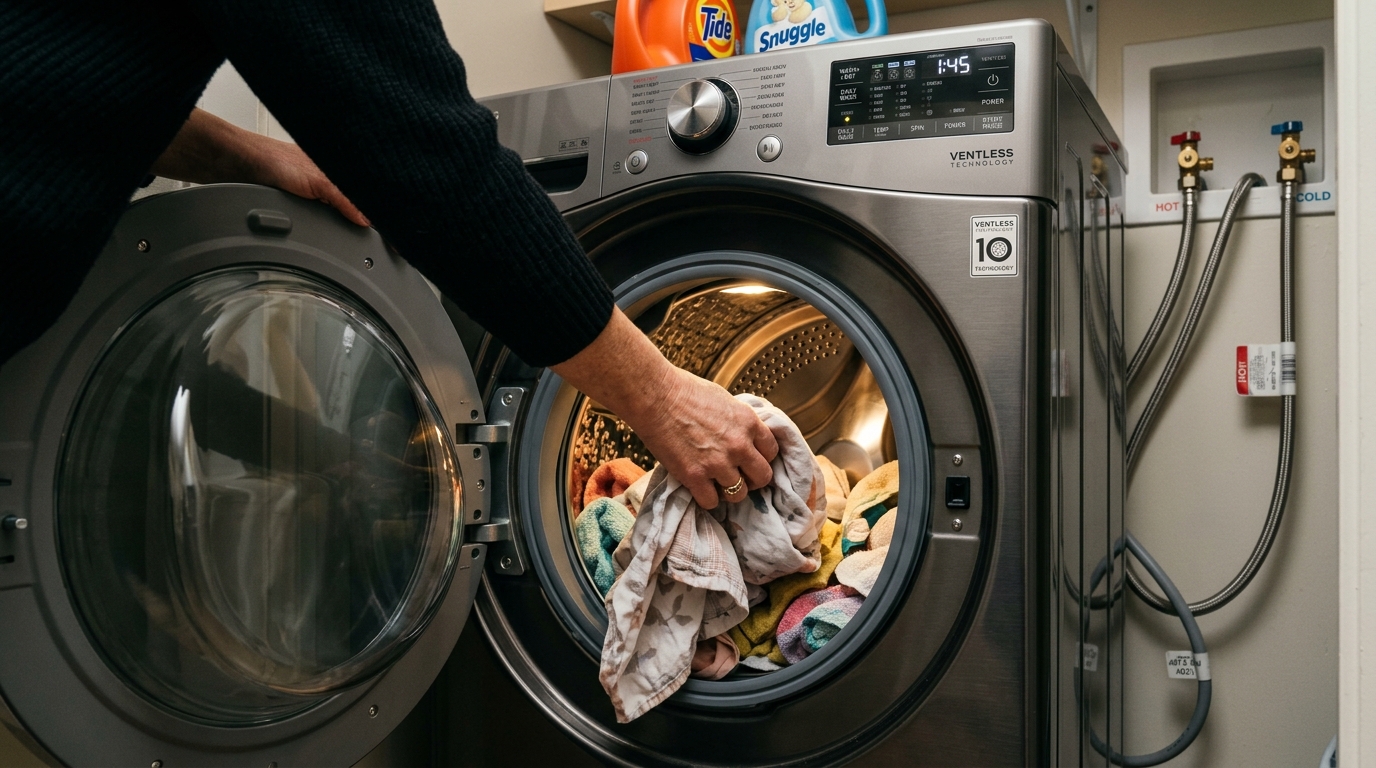
Thinking about comparing models? Look up specs for the GE PFQ97HS PVDS (4.8 cu ft), which uses 136 kWh per year for the washer and 399 kWh for the dryer, with a five-year sealed drying system warranty.
For more about washer dryer sizing and quiet operation, see our resource on best small space laundry solutions.
Drying performance & cycle time expectations (by load type)
Many users underestimate just how much longer a ventless combo can take compared to standalone vented dryers. Here’s the real breakdown for combo washer dryer small space living:
- Standard medium loads: 2–4 hours for complete wash plus dry. This is typical for a mix of office clothes, towels, and undergarments (i.e., 6–10 pounds).
- Quick/speed cycles: Expect roughly 90 minutes for wash-and-dry, but only with small and light loads. Heavier linens require more time (choose “extra dry” for sheets or towels).
- Bulky items: Bedding or several towels can take up to 5 hours total. Many people opt to hang-dry these or split in half for manageable cycle times.
Ventless dryer for closet installations demand patience; excessive loads will extend cycles into late night, and without a vent, high humidity inside the drum slows things further.
| Load Type | Wash+Dry Cycle (ventless combo) | Wash+Dry Cycle (vented dryer) |
|---|---|---|
| Small (<8 lbs) | ~90 min (Quick) | ~50 min |
| Medium (8–12 lbs) | 2–4 hours | 45–60 min |
| Bulky (>12 lbs/bedding) | 4–5 hours | ~75 min |
Noise is another overlooked spec for renters. Heat pump ventless combos clock in around 63 dB(A) (e.g., Bosch compact units), which is comparable to loud speech but far less intrusive than the 74 dB often reported for older vented dryers. If installed in a closet, vibration is minimized but airflow clearance must be maintained. For more, read our guide to quiet small space appliance picks.
- Pitfall: Skipping the manual’s max load capacity for the dryer (sometimes lower than the washer) leads to wet clothes and wasted hours. Always check the per-cycle specs.
- Pitfall: Using sensor dry for towels or athletic gear often results in incomplete drying (humidity sensors overestimate dryness on dense/weave fabrics). Learn which settings suit your common loads.
- Tip: Many units support a scheduled start/end to help you avoid running extended drying cycles during peak electricity hours or late at night. This helps with both cost and neighbor/household peace.
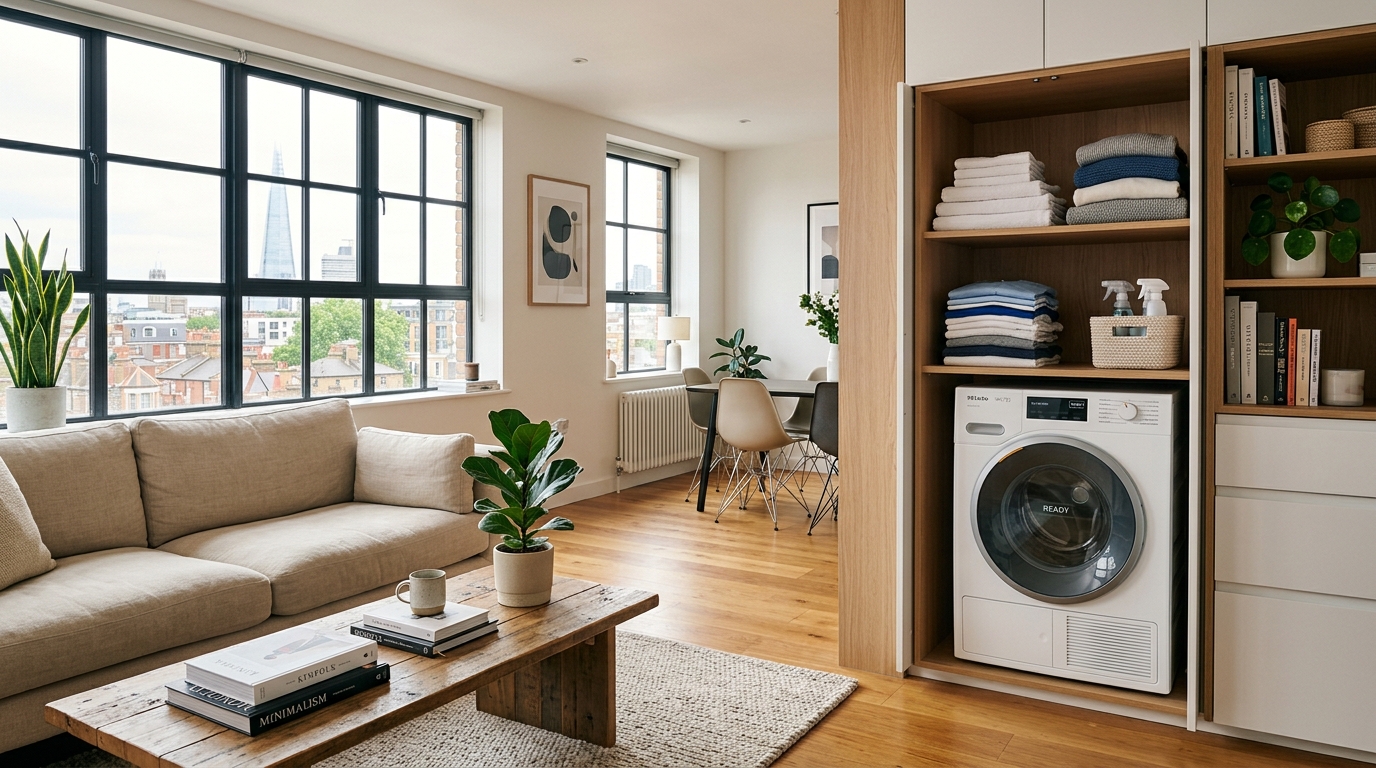
See more installation and noise-minimization advice in our laundry closet makeover guide and optimize for compact living.
Conclusion — recommended next steps (purchase & install timeline)
In summary, ventless washer dryer combos are a smart choice for rental units and small homes if you have moderate loads, prioritize lower energy bills, and need a “no vent dryer apartment” install with landlord approval. The tradeoff? Longer cycles and the need for careful setup.
- Measure your closet or install location—allow extra rear/side clearance (usually 2 inches) for airflow.
- Check your power: 240V is ideal, but many new models run on high-amperage 120V circuits. Confirm outlet type and capacity.
- Choose the capacity for your household: 2.0–2.7 cu ft for singles, 3.0–4.0 for couples, 4.5+ for multi-person homes.
- Decide on your condensate handling—built-in pump, gravity hose, or tank to empty.
- Get landlord sign-off (use our spec/approval template in renter-landlord appliance approval guide or book a pro installer).
- After install, run timed cycles with a mid-size load and log real-world cycle duration and noise to set expectations—and tweak your laundry schedule.
Ready to make laundry less of a hassle? Compare your space and needs, check energy and cycle specs, and invest in the ventless washer dryer combo that matches your real habits. It’s the surest way to stay code-compliant and conflict-free in any apartment or small home.
FAQ
How do ventless washer dryer combos manage moisture without an external vent?
They use either condensation drying (cooling moist air to collect water in a tank or via a drain hose) or heat pump technology, which recycles heated air to maximize energy efficiency. There’s no need for exterior ducts—ideal for apartments and rental units.
Is installation DIY-friendly for a rental, or do I need a pro?
Many renters install ventless washer dryer combos themselves if the closet or kitchen has standard water/electrical hookups. You might need a plumber for a standpipe (for drain hoses) or an electrician for circuit upgrades. Always check your lease and get written landlord approval if in doubt.
What should I ask retailers before buying a ventless combo?
Ask if the model has a built-in condensate pump, what the minimum rear and side clearances are, the cycle noise (in dB), and exact per-cycle energy (kWh). Clarify if your plug/outlet matches the required voltage and amperage.
Do ventless washer dryer combos damage clothing?
No—heat pump ventless dryers actually use gentler, lower temperatures than conventional dryers, minimizing shrinkage and wear. They are safe for delicates, woolens, and technical fabrics (but always check garment labels for best results).
What about maintenance—how often do I clean filters or empty tanks?
Clean the main lint filter every load, and a secondary heat exchanger or condenser filter every 1–2 months. If your combo has a condensate tank, empty it after every two full cycles to prevent overflow or machine shutdowns.