
Ventless Washer Dryer Combo: 7 Best Ways to Save Energy Fast (Proven Guide)

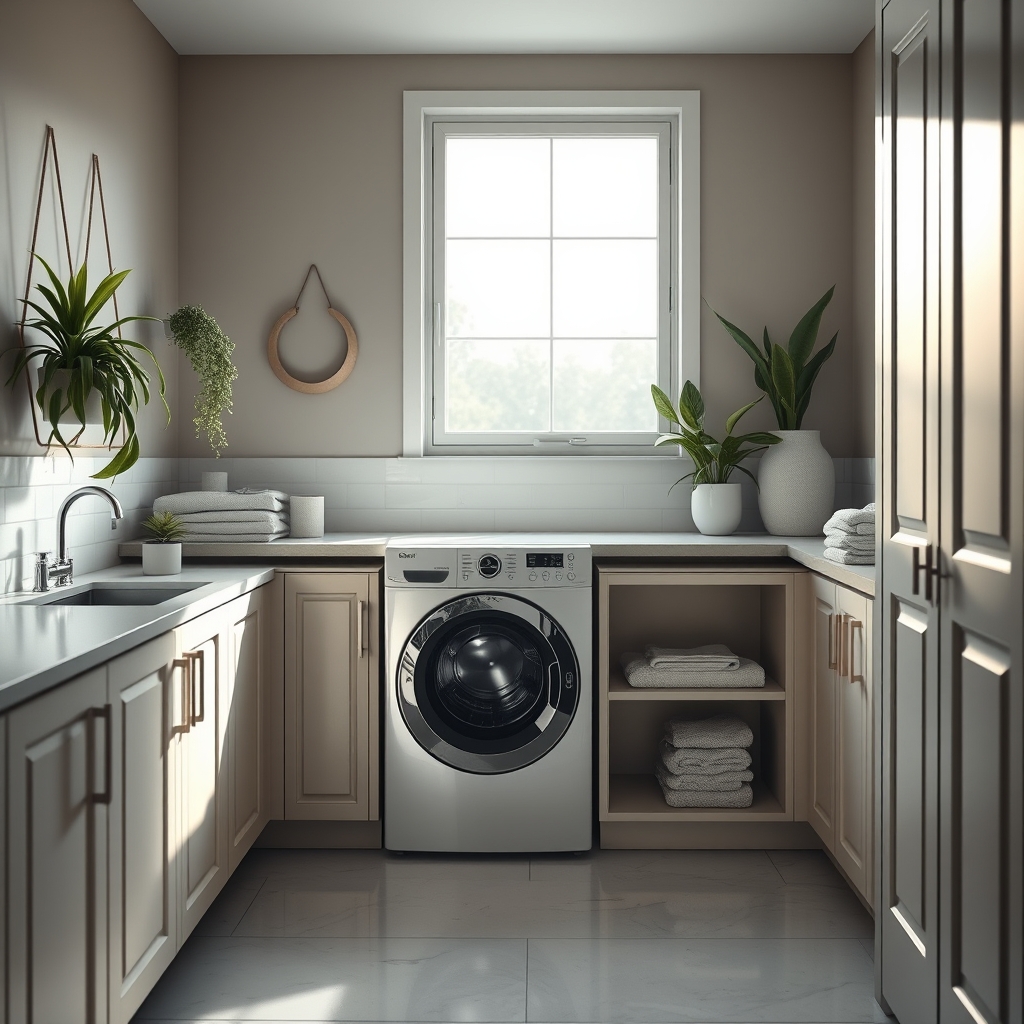
Ventless washer dryer combo units are transforming how renters and small homeowners handle laundry, offering a real solution for anyone facing limited space, high utility costs, or building restrictions that block traditional vented units.
Key Takeaways
- Ventless washer dryer combos with heat pump dryers dramatically reduce electricity use—up to 70 percent versus old vented models—but require careful installation in tight spaces.
- Upfront costs are higher (often double), but most users break even with utility savings after three to five years.
- Success depends on realistic prep: verify space, power, drainage, and ongoing maintenance before you buy or rent.
- Why choose a ventless washer dryer combo with a heat pump dryer?
- Energy, time and cost comparison: what to expect long term
- Key installation constraints in apartments and closets
- Practical fixes and installer tips to resolve apartment and closet challenges
- Maintenance and reliability — what ongoing work looks like
- Features renters and small-space buyers most want
- Buy vs rent: when a ventless laundry unit rental makes sense
- How to choose the right model in 2026 — shortlist and buying checklist
- Quick next steps checklist for renters
- FAQ
Why choose a ventless washer dryer combo with a heat pump dryer?
Heat pump ventless washer dryer combos are a game-changer for urban renters and small-space owners. Here’s why: they use 40 to 70 percent less electricity than a standard vented dryer, saving roughly $150 to $200 a year for an average household. Because they don’t require an exterior vent, you can install them almost anywhere—a closet, a bathroom, or a kitchen—without major construction. Heat pump models also dry at lower temperatures, protecting your clothes and lowering the risk of lint fires. The central tradeoff is cost: expect to pay 50 to 100 percent more upfront, but the long-term savings and flexibility make it worthwhile for most buyers.
For renters and condo owners where building rules ban vented dryers (no vent dryer apartment), these combos are often the best ventless dryer 2026 solution for in-unit laundry. Instead of venting hot air, they condense and either pump out or collect the water, eliminating the need for ducts entirely (source).
Energy, time and cost comparison: what to expect long term
Energy savings are the key draw—ventless washer dryer combos with heat pump dryers can use 50 to 70 percent less electricity per load. But what about time and real out-of-pocket costs? Here’s what you need to know:
| Category | Vented Dryer | Ventless Heat Pump Combo |
|---|---|---|
| Electricity use per cycle | ~2.5 kWh | ~1.3 kWh |
| Dry time (12 lb load) | 45–60 min | 90–210 min |
| Annual utility savings | — | $150–$200 |
| Upfront price | $700–$1,000 | $1,200–$2,000 |
| Laundry location options | Requires external vent | Flexible—closet, bathroom, kitchen |
In Consumer Reports tests, a typical ventless combo took about 3.5 hours to dry a 12-pound load, but used half the energy of a conventional dryer. You’ll often need to plan for longer cycle times—but with smart scheduling and Eco modes, the tradeoff is easy to manage for most small households.
Combined with tax credits and rebates available in many areas, payback periods for a ventless combo washer dryer in a small home can be three to five years or less.
Key installation constraints in apartments and closets
Ventless washer dryer combos are marketed as “install anywhere” solutions, but that only works if you know what to check before buying. The most common constraints include:
- Electrical: Some heat pump dryers need a dedicated 240V outlet, though many new models run on 120V; always confirm your current outlet’s voltage and circuit capacity (source).
- Clearance: Most combos need at least one to two inches of side and rear space for airflow (ventless dryer for closet), particularly inside closets.
- Condensate drain: Water collected during drying must drain into a standpipe, sink, or be pumped out—some apartments require a small compact condensate pump if no floor drain is available.
- Ventilation: In a closet, humidity can build up fast. Doors must have louvered door grilles or be left open during operation to prevent moisture buildup.
- Building/landlord restrictions: Many buildings require written approval or restrict modifications to plumbing and electrical—get these permissions before buying.
Failing to plan for these factors is the leading cause of “dead-on-arrival” installs in urban apartments and condos.
Practical fixes and installer tips to resolve apartment and closet challenges
Real-world installations often need tweaks. Here’s how you can turn a cramped laundry spot into a success story:
💡 Pro Tip: Install anti-vibration pads under your combo washer dryer to prevent noise complaints from neighbors and minimize movement in small closets.
🔥 Hacks & Tricks: If your closet doesn’t have a drain, run the condensate hose into a portable water container that fits under the unit, and empty it every few days—no plumbing required.
- Add a louvered door, air grille, or leave the closet door slightly open during operation to dissipate humidity.
- For apartments that can’t have new drains, use a compact condensate pump (ventless dryer for closet) or direct the drain hose into a nearby sink.
- If possible, plug your combo washer dryer small space unit into a dedicated outlet to avoid tripping breakers.
- Schedule weekly lint and filter cleaning—both lint and evaporator filters—otherwise drying performance and reliability suffer, especially with heat pump dryer installation.
- Consider hiring a pro installer for complicated or unfamiliar wiring situations, and always get landlord approval first.
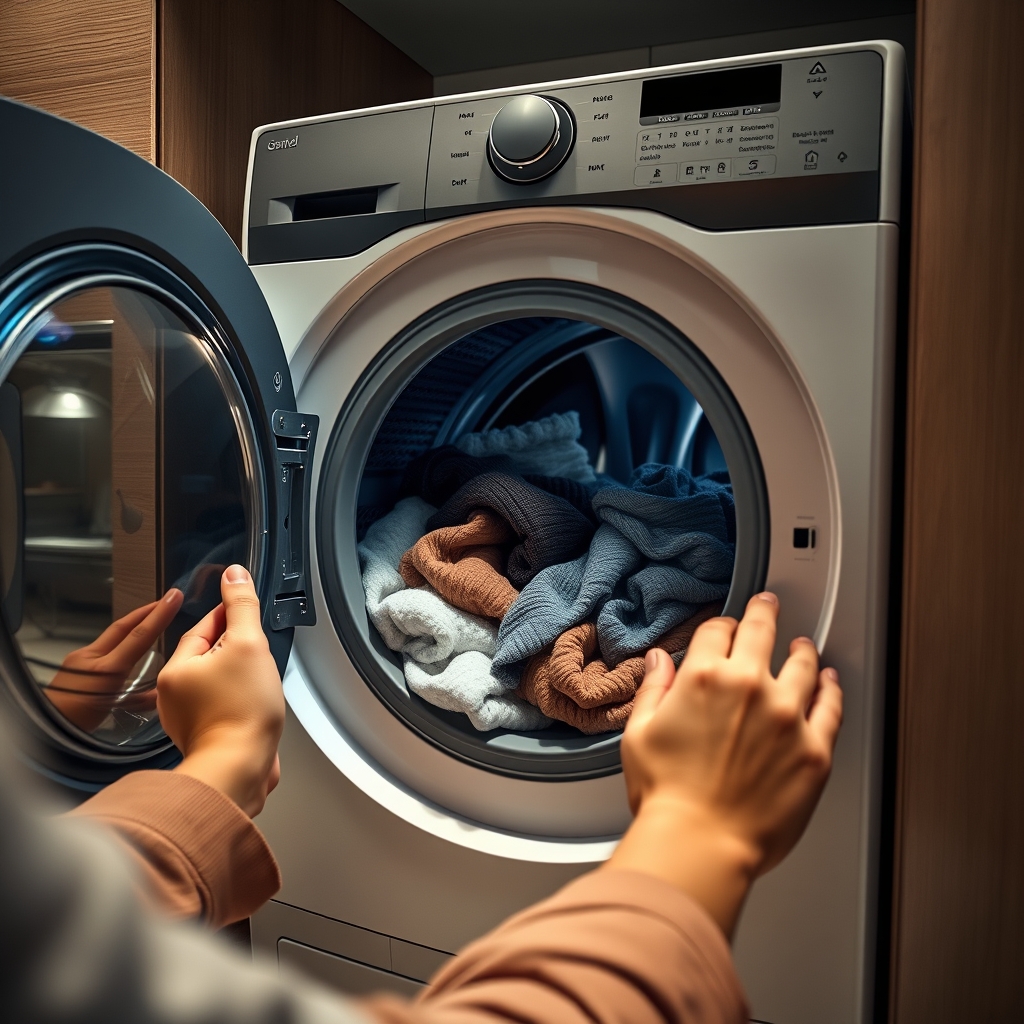
Building codes change often. Double check your local code, especially if installing in a multi-family building.
Check out more strategies for renters at no vent dryer apartment and learn about stacking options at combo washer dryer small space.
Maintenance and reliability — what ongoing work looks like
Ventless washer dryer combos have proven surprisingly reliable—first-year service rates for major brands like GE and LG are around 8.5 to 9.5 percent (source). But reliability depends on you. The heat exchange system and water condensate feature demand weekly lint and filter cleaning, draining water tanks (or checking drains), and occasionally descaling mineral buildup. Neglecting this maintenance means slower cycles and higher risk of failure.
- Clean all lint, exhaust, and evaporator filters weekly.
- If your model collects water in a tank, empty it every load or two.
- If plumbed to a drain, check for leaks or clogging monthly.
- Keep the area around the unit clear for airflow and lower strain on motors.
- Schedule annual pro servicing if your model is under warranty—it often pays off long-term.
Good habits will keep your ventless washer dryer combo performing for years—critical for both buyers and anyone considering a ventless laundry unit rental.
Features renters and small-space buyers most want
Before you buy, check for these must-have features:
- Compact footprint: less than 24 inches wide, depth under 32 inches (source).
- Stackable or closet-ready design for easy placement.
- Smart app control, cycle alerts, and remaining time display.
- Low-noise operation—especially for units close to living or sleeping areas.
- Quick dry or Eco modes for small, urgent loads.
- Easy-to-empty drain tank or clear, secure direct drain setup.
- Anti-vibration features and adjustable leveling feet.
- Gentle drying for delicate fabrics—low temperature is key.
For more insight on top picks, see our guide to the best ventless dryer 2026.
Buy vs rent: when a ventless laundry unit rental makes sense
Should you buy or rent? For anyone planning to stay less than two years, or facing upfront cash constraints, a ventless laundry unit rental is often the smart move. Rentals also suit tenants with uncertain lease renewals in no vent dryer apartment setups or those who want to “test-drive” the technology.
However, renters should press unit providers on setup: Ask if installation includes heat pump dryer installation, drainage, and a maintenance plan—especially filter cleaning and drain upkeep. Rental units share the same drawbacks (longer drying times), but short-term use helps bridge until you can justify the upfront cost and long-term energy savings of ownership.
With average yearly savings at $150–$200, buying pays for itself in less than five years for busy small households (source). Owners with portable models can even recoup costs by taking units to their next apartment.
How to choose the right model in 2026 — shortlist and buying checklist
The best ventless washer dryer combo is the one that fits your space and needs without overpromising. Here’s your decision flow:
- Measure width, depth, and door clearance at the install site.
- Check electrical—120V or 240V, dedicated circuit preferred.
- Find the closest drain, standpipe, or plan for a condensate collector or pump.
- Compare cycle times—heat pump models are slower (expect 90–150 minutes per dry cycle, longer for full loads), but trade this for 28–70 percent lower energy bills (best ventless dryer 2026).
- Red flag checklist: No easy drainage, noisy operation, or unreliable customer service—avoid these models.
- Review support and warranty for accessible service (some brands have poor in-home coverage for apartment installs).
For up-to-date picks, scan recent reviews at appliance specialists.
Quick next steps checklist for renters
Ready to act? Here is a one-page action checklist to evaluate and plan your installation this week:
- Measure your intended laundry space and doorways—note width, depth, and clearance needed for ventilation.
- Check your available outlets: Is there a dedicated 120V or 240V socket? What is the circuit capacity (amps)?
- Find the nearest drain location or decide if you need a compact condensate pump or collector (see ventless dryer for closet).
- Shortlist three finalist models that fit your footprint, budget, and cycle needs.
- Secure landlord or HOA approval for minor electrical or plumbing modifications.
- Get a quote from an experienced installer for connection and safety confirmation.
Following these steps prevents the majority of installation headaches upfront as cited in recent best ventless dryer 2026 guides and apartment owner forums.
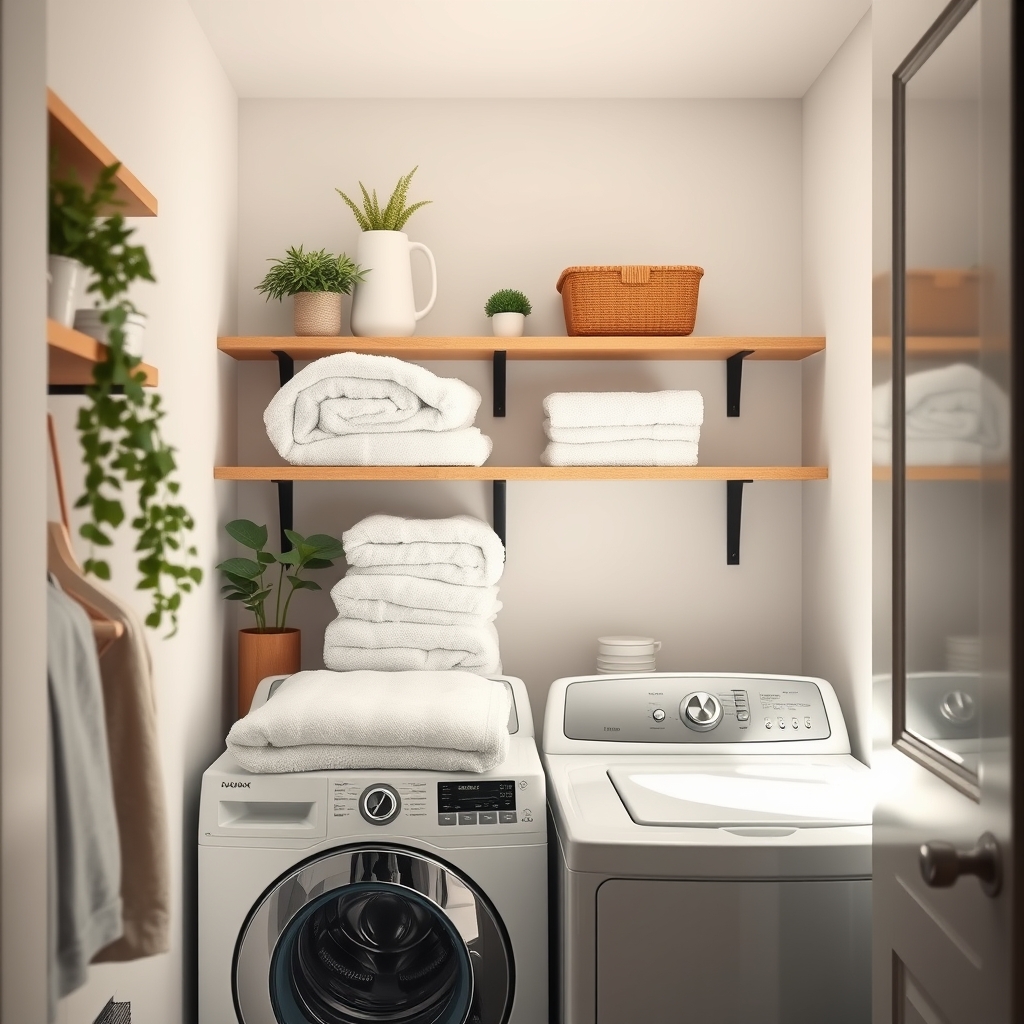
FAQ
How much space do I need for a ventless washer dryer combo?
Most compact ventless combos require less than 24 inches in width and 32 inches in depth, plus at least one inch of clearance on all sides. Measure your closet, kitchen, or bath carefully before purchase.
Can I install a ventless combo in a closet or kitchen?
Yes, as long as you have the correct electrical outlet, proper drainage or a collection tank, and some airflow for humidity. Louvered doors or small grilles help control moisture buildup.
Do ventless washer dryer combos need special drains?
They don’t need a traditional dryer vent, but you must plan for condensate. This can go to a floor drain, sink, or be pumped out via a small condensate pump or collected in a tank that you empty manually.
What ongoing maintenance is required?
Clean lint, exhaust, and evaporator filters weekly, empty the condensate tank (if non-plumbed), and check for any drainage issues monthly. Regular upkeep avoids longer cycles and breakdowns.
Are ventless washer dryer combos worth the higher upfront price?
For most small households and renters, yes. The combination of energy savings, flexible installation, and convenience pays off within a few years compared to coin laundry or vented options, especially with local rebates.
—