
EV Charger Home Installation: 7 Best Ways to Save Money (Proven Guide)

EV charger home installation is a major upgrade for any suburban homeowner. Costs can jump unexpectedly due to hidden issues, so knowing the facts, real budgets, and how to prep before calling your electrician can save you thousands.
Key Takeaways
- Expect your total EV charger home installation cost to land between $1,500 and $2,750—but major upgrades can push this much higher.
- Always confirm panel capacity with a load calculation by an EV-experienced electrician to avoid surprise bills and timeline delays.
- Get written, line-item quotes and check for utility, local, and federal rebates before picking your charger and electrician.
- Quick cost snapshot: What hiring an electrician for EV charger home installation usually costs
- Line-by-line cost breakdown (hardware, electrician labor, permits, upgrades)
- The wildcard: electrical panel capacity & why it often blows up the budget
- Common unexpected issues homeowners report (real pain points)
- How to prepare before your electrician arrives (site prep checklist)
- Choosing hardware: portable 240V plug vs hardwired Level 2 — pros, cons, and best picks for 2026
- Permits, inspections and local rules — what to ask your electrician
- How to get accurate, comparable quotes — the 7-point quote checklist
- Timeline expectations and scheduling tips
- Incentives, rebates and utility programs to lower your net cost
- Final checklist & call to action: How to decide and hire an electrician
- FAQ
Quick cost snapshot: What hiring an electrician for EV charger home installation usually costs
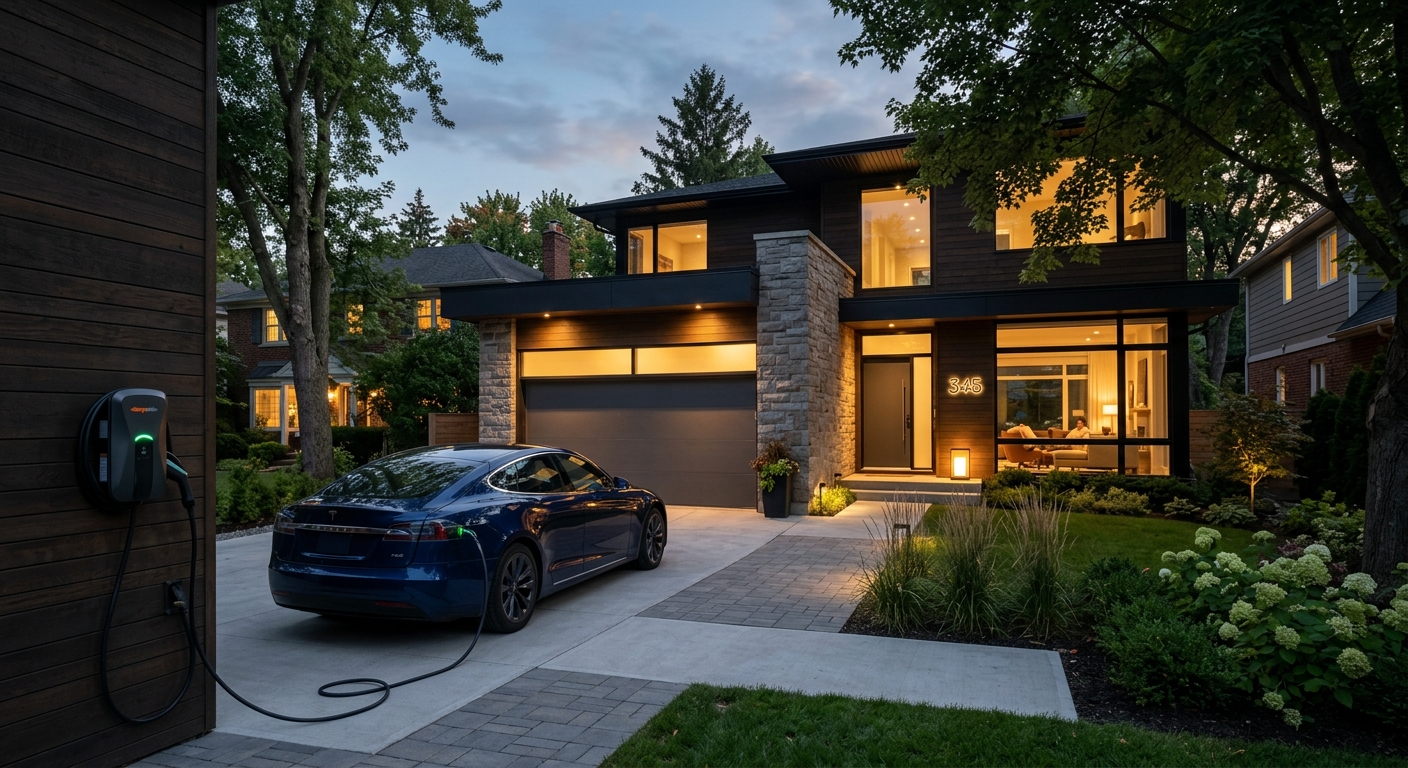
Here’s the bottom line for most homeowners: a Level 2 EV charger home installation usually totals $1,500 to $2,750 from start to finish. This includes hardware (charger hardware) ($300–$800), electrician labor ($700–$1,500 standard, or up to $3,000 for longer runs or tough jobs), permit fees ($50–$300), and—when panel upgrades are needed—an extra $500 up to $5,000 or more. Quotes vary with your home’s wiring, panel, distance to parking, and local permitting quirks. Plan for the higher end if your home is older, you want a garage wall install far from your panel, or you suspect your electric service is maxed out. Source: Treehouse Guide.
Line-by-line cost breakdown (hardware, electrician labor, permits, upgrades)
To really understand your home EV charging station cost, you need a full breakdown of what you’re paying for. Here’s where the money goes:
- Charger hardware: Most Level 2 units run $300–$800, but “smart” models with WiFi, energy tracking, or load sharing can climb higher. Hardwired chargers and those rated for outdoor/harsh environments usually cost more.
- Dedicated circuit and breaker: For a basic outlet install (NEMA 14-50 or 6-50), expect $250–$800 if your panel has open space and is nearby. Longer conduit runs or upgrades raise the price.
- Electrician labor and materials: The biggest variable. Most jobs cost $700–$1,500 for labor, parts, and typical mounting. Added complexity (distance, finished walls, trenching for detached garages) can push labor to $3,000+.
- Permits and inspection: Local requirements vary, but usually $50–$300. Some towns may charge more or require extra inspections. Permits are non-negotiable for safety and insurance.
- Panel upgrades/service upgrades: If your main panel can’t safely support the extra load, a sub-panel ($500–$1,500) or full upgrade ($2,000–$5,000+) may be required. This is often the top cause of surprise bills.
See a more detailed breakdown at EcoFlow US. For those in older homes, factor in possible old wiring or grounding issues, which can add hundreds in materials or code upgrades.
💡 Pro Tip: Never rely on “over the phone” quotes. Ask for an on-site assessment and written quote that lays out every line item—hardware, labor, conduit, permit, breaker, and potential upgrades—so there are no surprises down the line.
🔥 Hacks & Tricks: If your dryer circuit is rarely used, ask your electrician if a dual-load management device or “smart switch” can safely share the 240V outlet, saving up to $1,000 in upgrade or conduit costs (this only works in certain scenarios—always get professional advice).
The wildcard: electrical panel capacity & why it often blows up the budget
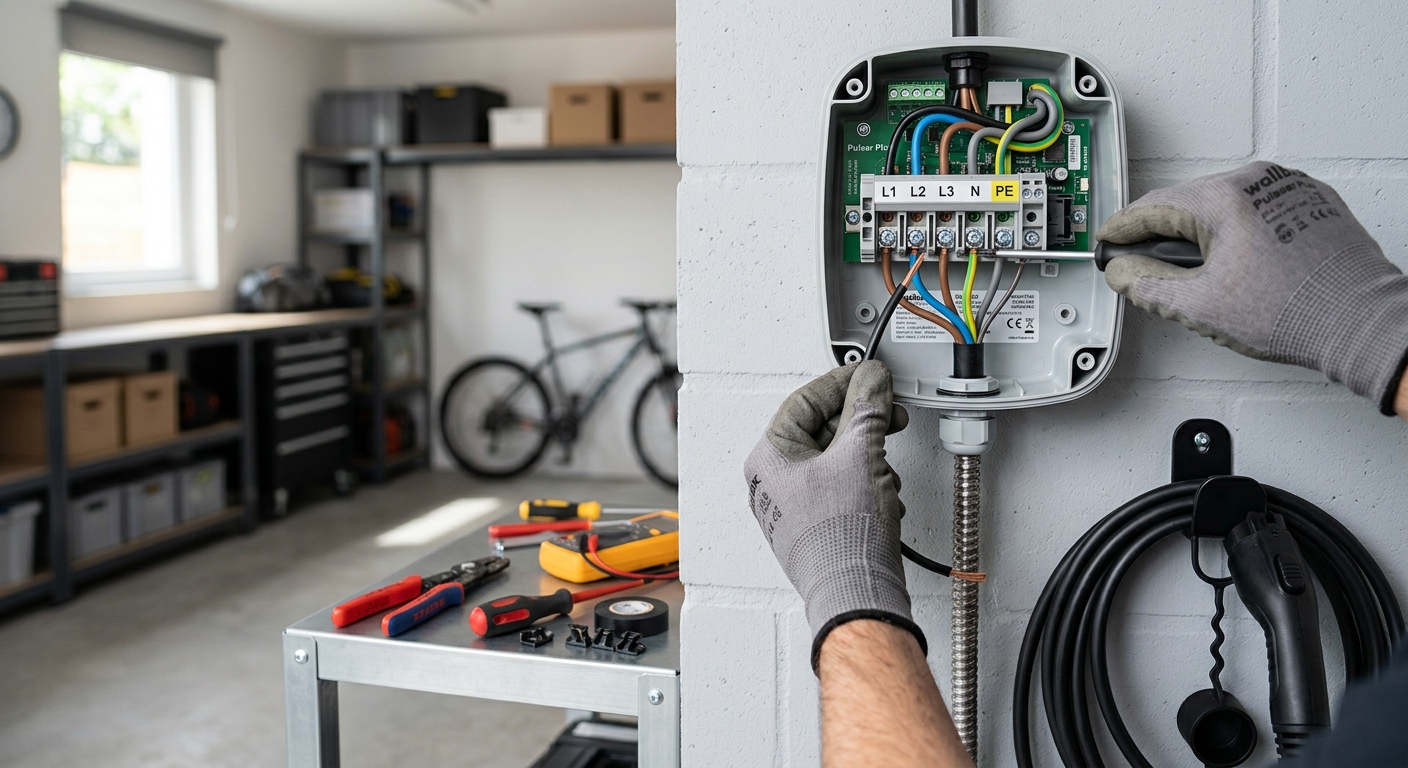
Your home’s panel is make-or-break for Level 2 EV charger install cost. Panels in homes built before the 1990s are often already at their limit. Your electrician will do a “load calculation” factoring in all home appliances; if there’s not enough spare amps, you’re on the hook for an upgrade. This can mean:
- Adding a sub-panel (cheapest fix, usually $500–$1,500), if extra breaker space is all you need.
- Full panel or service upgrade (total $2,000–$5,000+, especially if the home needs new wiring or meter upgrades).
- Installing a load management device. These clever boxes allow sharing between your EV and large loads (like HVAC or dryers) for $400–$1,000 installed.
Panel upgrades are the #1 source of surprise bills. Request a written load calculation before you approve any work. Details: Cyberswitching.
Common unexpected issues homeowners report (real pain points)
- Trenching for detached garage: Parking in a detached garage? Walls finished in drywall? Running conduit through finished spaces can add hours of labor and hundreds in repair costs.
- Long wiring runs: Every extra foot from the panel to your parking means more labor and heavier, pricier cable. Over 40 feet can add $500+ to a quote.
- Local code quirks: Many areas now require GFCI breakers for EV circuits. These are more sensitive and can “nuisance trip” with some chargers, especially on plugged-in (not hardwired) units.
- Permit delays: Some cities or utility districts require extra plan reviews, extending projects by weeks.
- Panel issues found late: Occasionally, capacity issues or corrosion aren’t found until your panel is opened—this can stall jobs or produce last-minute price bumps.
| Potential Issue | Cost Impact Range | Typical Solution |
|---|---|---|
| Old panel lacks spare capacity | $500–$5,000+ | Sub-panel or full upgrade |
| Trenching for detached garage | $500–$2,000 | Run conduit & repair surfaces |
| GFCI nuisance trips on plugged–in chargers | $0–$300 | Hardwire charger, or try alternate GFCI nuisance trips breaker model |
| Permit or inspection delays | N/A (time delay) | Apply early; coordinate with electrician |
For other household upgrades with similar surprise costs (e.g. upgrading laundry), see our guide on Ventless Washer Dryer Combo: 7 Best Ways to Save Energy (Proven Guide).
How to prepare before your electrician arrives (site prep checklist)
Do a little homework now, and your EV charger home installation will go far smoother. Here’s how to get ready for accurate quotes—and fewer “uh-oh” moments:
- Measure from your main panel to your intended parking/charging spot, noting if it crosses finished spaces or goes outdoors (more cost if so).
- Take clear photos of your electric panel’s main and interior labels, plus the panel interior with the cover off (if safe to do so).
- Confirm your vehicle’s charger plug type (NEMA 6-50, 14-50, J1772, NACS) and preferred hardware model if known.
- Ask for a load calculation and panel assessment before any proposal or contract is signed.
- Research your local utility and municipality for rebates, EV incentives, and permit requirements—before buying your hardware.
- Decide if you want permit handling included in your quote or plan to manage it yourself (if allowed).
Need help finding a trustworthy local electrician? Search “EVSE installation near me” and look for companies with documented EV experience, good reviews, and photos of prior EV charger work.
Choosing hardware: portable 240V plug vs hardwired Level 2—pros, cons, and best picks for 2026
The two main choices are:
- Plug-in Level 2 (240V outlet for EV): Uses a NEMA outlet. Easy to swap, easier to move if you relocate. If you already have a suitable 240V outlet near parking, installation can be just $250–$800. Drawback: must use a GFCI breaker (per code), which may nuisance-trip with some vehicles.
- Hardwired Level 2: Permanent, often allows higher current (faster charging, more futureproof). No plug, but fewer nuisance trips and usually tidier install. Slightly higher labor cost. Often required for outdoor installs or shared panel situations.
For 2026, look for chargers with WiFi/app control, adjustable output amps (to match any future cars), and compatibility with J1772 and NACS plugs—this ensures you can charge any major make. Read our comparison of other “futureproof” home appliances such as in our Energy-Efficient Washer/Dryer guide.
Permits, inspections and local rules — what to ask your electrician
Permits are mandatory for nearly any home EV charger install—don’t skip them. Permit and inspection fees vary by town, usually $50–$300. Some utility districts or HOAs have extra forms or reviews. Always ask your electrician:
- Who gets the permit—electrician or homeowner?
- Who schedules the inspection, and when is it required?
- Are there local rules (like solar-ready panels, fire separation distances, or GFCI requirements) that apply?
- Can I get supporting docs for rebates (installer invoice, permit copies, panel photos)?
Permits protect you—they prove the work was done safely and to code. For details, see this advanced guide.
For code-heavy projects—like heat pump laundry, which also require careful venting and permits—read our tips for small-space laundry upgrades.
How to get accurate, comparable quotes — the 7-point quote checklist
Don’t settle for a one-line “Installed: $X” price. Require a checklist quote with these line items:
- On-site assessment and load calculation
- Dedicated 240V breaker and new circuit to parking area
- Wiring/conduit/fittings with total length specified
- Charger supplied (or customer-supplied model inclusion)
- Mounting, connection, and functional testing
- Permit handling and inspection scheduling
- Panel upgrade options as a separate line item (if needed)
This style of quoting protects you. See EcoFlow’s quote checklist guide for deeper details. For another home project with checklist-driven success, compare to our step-by-step laundry install process.
Timeline expectations and scheduling tips
Simple installs (existing panel space, short run to garage) can be completed in 2–5 business days after the site visit, usually with one city inspection. Complex jobs—especially those needing panel upgrades or trenches—may stretch 2 to 4 weeks, mostly due to permit scheduling and material lead times. To move fast:
- Schedule your electrician visit as soon as you know your EV’s arrival date—don’t wait for delivery.
- Apply for permits in advance if possible.
- Place your hardware order once municipal approval is confirmed so everything lands on-site together.
Just like with appliance upgrades in older homes (see our guide on ventless dryers for tight spaces), prepare for wait times if inspections require a second visit.
Incentives, rebates and utility programs to lower your net cost
Start your rebate hunt before you finalize any equipment. Some programs only cover certain models or installation types. Common sources:
- Federal programs (like the 30% EV charger tax credit, up to $1,000 for residential installs—details change yearly)
- State and city utility rebates ($250–$1,000 common, often paid after passing inspection with required paperwork)
- Manufacturer promotions (free accessories or discount install partners)
Ask your electrician about local program experience or check your utility’s EV webpage. Get written, itemized invoices and permit documentation ready—almost all rebates and credits require them for submission. Early research pays off; read our laundy incentive coverage for additional money-saving context on rebate-driven upgrades.
Final checklist & call to action: How to decide and hire an electrician
To avoid costly mistakes, follow this short list:
- Get at least two written, itemized quotes for your EV charger home installation, itemizing hardware, labor, permit, and panel/significant upgrade costs.
- Confirm the electrician is licensed, insured, and has real experience with EVSE installs (ask for recent references and photos).
- Request a load calculation first—never trust a “ballpark” estimate unless you’re 100% sure your panel has idle capacity.
- Compare not just the price but warranty, schedule, and plans for permits and inspection handling.
- Verify who files the rebate or incentive paperwork—some electricians will handle this for you.
When you’re ready, search “EVSE installation near me” and get to work. For more ways to streamline your next home upgrade, check out our guide to space-saving laundry installations.
Conclusion
Getting EV charger home installation right means being realistic about costs, checking panel capacity, requesting detailed written quotes, and hunting for rebates before committing to hardware. Whether you’re simply adding a 240V outlet for EV charging or overhauling an old electrical system, following this checklist and working with the right electrician keeps you on budget and futureproofed. Ready to get rolling? Get your load calculation, compare quotes, and charge up with confidence.
FAQ
Do I always need a permit for home EV charger installation?
Yes, permits are required in nearly all municipalities for safety and insurance reasons. Typical fee: $50–$300.
How long does EV charger installation usually take?
Simple installs can be finished in two to five days; complex jobs or panel upgrades can take two to four weeks due to permitting and inspection schedule.
How do I know if my panel needs upgrading for a Level 2 charger?
An electrician must perform a load calculation; about 40–50% of older homes will need either a sub-panel or full upgrade costing $500–$5,000+.
Which plug is most common for home charging?
NEMA 14-50 and 6-50 are common for plug-in Level 2 chargers. Hardwired J1772 and new NACS adapters are growing in popularity for newer EVs.
Is it better to hardwire my charger or use a 240V outlet?
Plug-in (240V outlet for EV) is more flexible and cheaper if existing. Hardwiring is less prone to GFCI nuisance trips and allows faster charging in many setups.