
Home Battery Backup System: 5 Best Ways to Secure Energy (Proven Strategy)

Deciding to install a **home battery backup system** is a major milestone for any homeowner looking to secure energy independence, yet navigating the dense engineering and regulatory landscape remains a massive challenge. While marketing materials often paint a picture of seamless transition during grid failures, the physical reality is far more complex. This guide aims to dismantle standard sales pitches and supply you with the concrete technical data, cost structures, and legal codes needed to execute a successful energy project.
Key Takeaways
- Real world runtime for a standard 13.5 kWh battery is only 6 to 14 hours under essential loads, far below the typical three day marketing promise.
- Achieving true energy independence or obtaining permitting approval is heavily delayed by complex changes in the 2023 and 2026 National Electrical Code (NEC).
- Financial payback periods stretch from 12 to 25 years in most states, requiring precise planning and thorough documentation for federal incentives.
- The Reality of Backup Power for Whole House Systems: Expectation vs Performance
- Top 5 Powerwall Alternatives: 10 Year LCOS and Degradation Comparison
- Why NEC 2023 and 2026 Code Revisions Are Delaying Permitting
- Navigating Utility Grid Interconnection Barriers to Go Grid Free
- Conclusion
- Frequently Asked Questions
The Reality of Backup Power for Whole House Systems: Expectation vs Performance
Many solar installers promise complete energy independence during grid outages, but the operational reality of managing backup power for whole house setups is often quite different. A standard residential battery bank cannot indefinitely run a large modern household without strict rationing. To set realistic expectations, you must separate aggressive sales pitches from engineering facts.
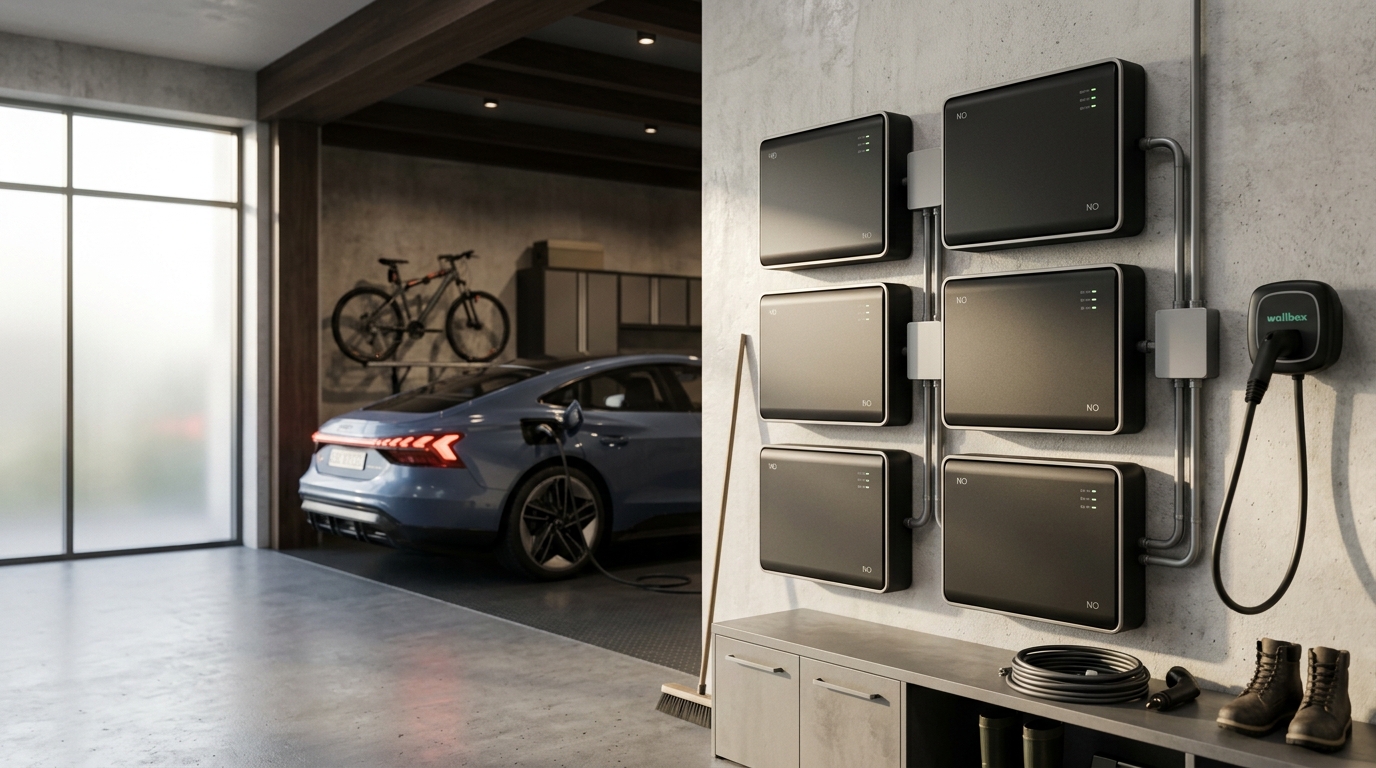
According to verified SolarInfoPath 2026 Data, the actual real world runtime for a 13.5 kWh battery is only 6 to 14 hours when powering essential loads without active solar generation. This stands in stark contrast to the common three day sales claim. If your household attempts to run heavy appliances simultaneously, the backup window shrinks to a matter of minutes.
When planning your overall home electrical load, combining high demand equipment like a home EV charging station cost analysis with your storage setup is vital. Running major appliances will drain your reserve rapidly, making meticulous energy budgeting necessary. Furthermore, true financial payback periods stretch to 12 to 25 years in most non California states, rather than the advertised 7 to 10 years. To secure the 30 percent federal Investment Tax Credit (ITC), homeowners must also maintain precise documentation proving that the battery system is charged primarily by on site solar generation.
Top 5 Powerwall Alternatives: 10 Year LCOS and Degradation Comparison
When searching for the best home battery 2026 has to offer, looking beyond the most dominant brand names reveals several highly efficient options. Evaluating a Powerwall alternative requires looking at its Levelized Cost of Storage (LCOS). LCOS measures the total cost of energy discharged over the lifetime of the chemistry, accounting for initial capital expenditure, round trip efficiency, and cell degradation.
Residential LCOS typically ranges from $200 to $400 per megawatt hour according to industry benchmarks from Lazard 2025 energy report. Over a ten year operational span, different lithium chemistries exhibit unique degradation curves and financial profiles. For example, using a best ventless dryer 2026 model reduces the overall standby draw of your home, helping you maximize the value of these alternative storage options.
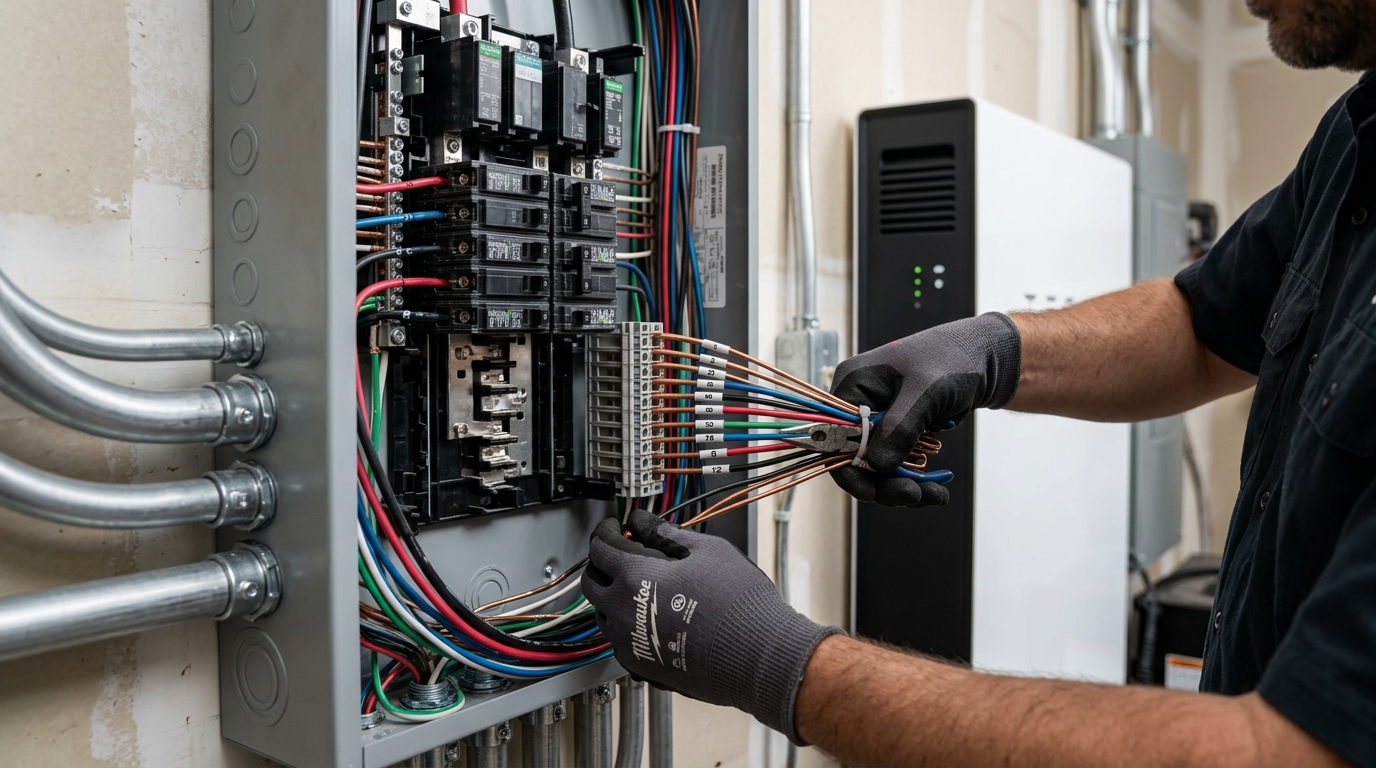
| Battery System | 10 Year LCOS ($/MWh) | 10 Year Capacity Degradation | Chemistry Type |
|---|---|---|---|
| Enphase IQ Battery 5-P | $350 | ~20% (2% annually) | Lithium Iron Phosphate (LFP) |
| LG Chem RESU 10H | $250 | ~15% (1.5% annually) | Nickel Manganese Cobalt (NMC) |
| Sonnen Eco 8 | $300 | ~10% (1% annually) | Lithium Iron Phosphate (LFP) |
| Generac PWRcell 9.6 kWh | $275 | ~12% (1.2% annually) | Nickel Manganese Cobalt (NMC) |
| Blue Planet Energy Blue Ion 2.0 | $325 | ~18% (1.8% annually) | Lithium Ferrous Phosphate (LFP) |
💡 Pro Tip: Always size your battery bank based on continuous output capacity in kilowatts rather than just total storage in kilowatt hours. A high storage capacity is useless if the system cannot handle the starting surge of your heavy motor loads like well pumps or central air conditioners.
🔥 Hacks & Tricks: To bypass expensive main panel upgrades during installation, ask your electrician to install a dedicated critical loads subpanel. By isolating only your refrigerator, router, and select lighting circuits, you can extend your runtime from 8 hours to several days without purchasing multiple battery units.
Analyzing Enphase IQ and LG Chem Engineering
The Enphase IQ Battery 5-P utilizes highly reliable distributed microinverters. While this design minimizes single point failures, the additional hardware components push its LCOS to roughly $350 per megawatt hour. On the other hand, the LG Chem RESU 10H relies on a centralized DC coupled setup, achieving a lower LCOS of $250 per megawatt hour but carrying a slightly higher complexity in high voltage DC line routing.
Comparing Sonnen, Generac, and Blue Planet Performance
The Sonnen Eco 8 features premium smart energy management software that actively preserves cell life, limiting degradation to a remarkable 10 percent over a decade. The Generac PWRcell system focuses on raw starting capacity, utilizing a modular structure to deliver high peak power. Blue Planet Energy stands out for commercial grade durability, using extremely stable chemistry that tolerates deep daily discharges without runaway thermal risks.
Why NEC 2023 and 2026 Code Revisions Are Delaying Permitting
Safety regulations are vital, but rapid changes in electrical codes are causing massive headaches for residential energy designs. The physical placement and electrical routing of a modern home energy storage system must comply with complex updates in the National Electrical Code (NEC).
One major source of confusion is how modern systems are sized. The 2023 NEC reduced standard dwelling unit lighting load calculations to 2 VA per square foot. However, Section 120.13 forces branch circuit calculations to remain at 3 VA per square foot, creating significant confusion for engineers when sizing the overall service entry. Designers must also plan for strict EV charger permit requirements when laying out a unified electrical system.
According to the detailed Mayfield Energy technical analysis, the 2026 NEC code revisions reintroduce strict conductor length rules. Specifically, Section 705.11(C)(1) now caps the actual conductor length for line side interconnections to overcurrent protection at a maximum of 66 feet. This change is designed to eliminate subjective local utility rules that often stall projects.
These code revisions also reorganize important sections of the code book, moving Load Calculations to Article 120 and Energy Management Systems to Article 130. They remove the previous 100 kW threshold for solar source circuit calculations, introduce new medium voltage grounding rules, and mandate flexible bonding straps for moving solar tracking structures to prevent metal fatigue. Finally, the code requires comprehensive GFCI protection for outdoor outlets, including the dedicated 240V outlet for EV charging setups.
An engineering review by the Pure Power engineering review emphasizes that these shifting regulatory requirements are driving up soft costs for designers. Local building inspectors are taking longer to sign off on system designs, resulting in lengthy delays before installation can even begin.
Navigating Utility Grid Interconnection Barriers to Go Grid Free
The longest and most unpredictable phase of deploying whole home battery storage is securing Permission to Operate (PTO) from your local utility company. Even if you plan to operate a grid-free home battery system eventually, keeping physical lines connected to the local utility grid requires a formal interconnection process.
As documented in the SolarInfoPath interconnection guide, a primary regulatory hurdle is the rollout of FERC Order 2023. This order mandates cluster based queue processing for utility companies, which was designed to streamline applications but has instead caused administrative delays at the local level. Furthermore, severe global supply chain bottlenecks have pushed lead times for critical utility transformers to 18 to 24 months, delaying final project integrations indefinitely.
For multi family property owners, integrating a battery with a ventless laundry unit rental setup provides a clear advantage in avoiding extensive electrical panel overhauls. However, single family homes still face chronic labor shortages among utility engineers, backlogged municipal offices, and prolonged grid stability studies. If any equipment is swapped during the lengthy waiting period, you may be forced to restart the entire application process from the beginning.

Conclusion
Achieving energy security requires a practical understanding of physical capacity, equipment lifetime costs, and changing electrical codes. While alternative systems offer competitive pricing and excellent durability, you must look closely at their real world degradation and levelized cost metrics before making a final choice.
Avoid generic marketing promises and work closely with qualified engineers who understand the latest NEC permitting rules and local utility grid requirements. Ultimately, an informed investment in a reliable **home battery backup system** relies on clear eyed calculations rather than optimistic sales pamphlets. Invest in meticulous load calculations today to ensure your household remains powered tomorrow.
Frequently Asked Questions
What is the actual lifespan of a home battery backup system?
Most modern residential lithium chemistries last between 10 and 15 years. While performance will degrade over time, high quality chemistries like Lithium Iron Phosphate (LFP) typically retain 70 to 80 percent of their original capacity after a decade of daily cycling.
Can a single battery backup run my central air conditioner?
Generally, a single standard battery unit cannot support the high starting current required by central air conditioners. You will need to install a soft starter on your compressor, purchase multiple battery units in parallel, or isolate your cooling system to protect your backup storage from overload failures.
Does the federal Investment Tax Credit cover residential batteries?
Yes, the Section 25D tax credit covers 30 percent of the total installation costs of residential battery storage. To qualify, you must keep thorough documentation proving that the system is charged primarily by renewable on site generation.
Why is the Levelized Cost of Storage (LCOS) important?
LCOS is a vital metric because it measures the total lifetime cost per megawatt hour of energy delivered. It goes beyond the initial retail price tag to account for round trip efficiency losses and annual capacity degradation, providing a realistic view of long term value.